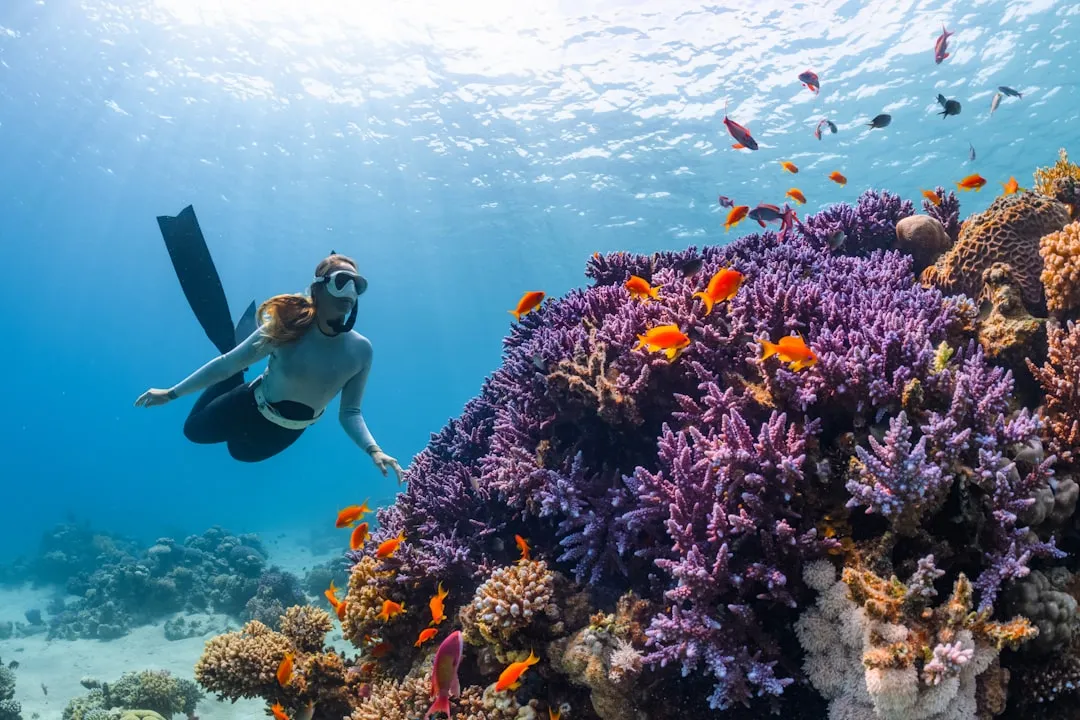

With over 1,000 marine species and 300 coral species, Mindanao’s underwater world rivals anywhere on the planet—yet most divers have never heard of it. This complete guide reveals the best scuba diving locations on Mindanao Island, from volcanic wrecks to pristine coral sanctuaries, so you can plan an unforgettable dive adventure in the Philippines’ southern frontier.
Introduction to Scuba Diving in Mindanao Island
Scuba diving locations on Mindanao Island remain one of Southeast Asia’s best-kept secrets, offering uncrowded reefs and extraordinary biodiversity that rival the Philippines’ more famous destinations. According to PADI, Mindanao hosts over 1,000 marine species and approximately 300 coral species—numbers that place it among the richest diving regions in the Coral Triangle. Yet while Tubbataha and Palawan draw international crowds, Mindanao’s dive sites see only a handful of visitors each week.
Why does this matter to you? If you’re tired of crowded dive boats and overworked reefs, Mindanao delivers the authentic exploration experience many divers crave. The Department of Tourism officially recognized Northern Mindanao as one of the Philippines’ best dive destinations in 2024, sparking renewed interest in the region’s underwater treasures.
This guide covers everything you need to know about scuba diving locations on Mindanao Island. You’ll discover specific sites from the northern coast to the Davao Gulf, learn optimal seasons and safety protocols, and understand common mistakes to avoid. Whether you’re a macro enthusiast hunting pygmy seahorses or a pelagic lover chasing manta rays, Mindanao has something extraordinary waiting beneath the surface.
Top Scuba Diving Locations in Northern Mindanao
Northern Mindanao has emerged as the region’s diving heartland, with the Department of Tourism highlighting towns along the Misamis Oriental coastline as premier destinations. These scuba diving locations on Mindanao Island offer a mix of volcanic sand slopes, vibrant coral gardens, and macro-rich environments that attract underwater photographers from around the world. The best part? You’ll rarely encounter another dive group.
What makes this stretch of coastline special is its accessibility combined with genuine underwater diversity. From Gingoog City to Talisayan, each municipality offers distinct dive experiences within easy reach of Cagayan de Oro. Local communities have embraced dive tourism, with trained guides who know every nuance of their home reefs.
“When we knew that there are potential diving sites in Gingoog, we were really excited. Several dive professionals came to the diving sites and then their photos went viral.” — Marie Elaine Unchuan, DOT Regional Director
The northern coast’s scuba diving locations on Mindanao Island benefit from relatively calm conditions during the March-September dry season, with water temperatures hovering between 26-30°C. Visibility often exceeds 20 meters on good days, revealing the full spectrum of marine life these sites harbor.
Gingoog and Medina: Hidden Gems
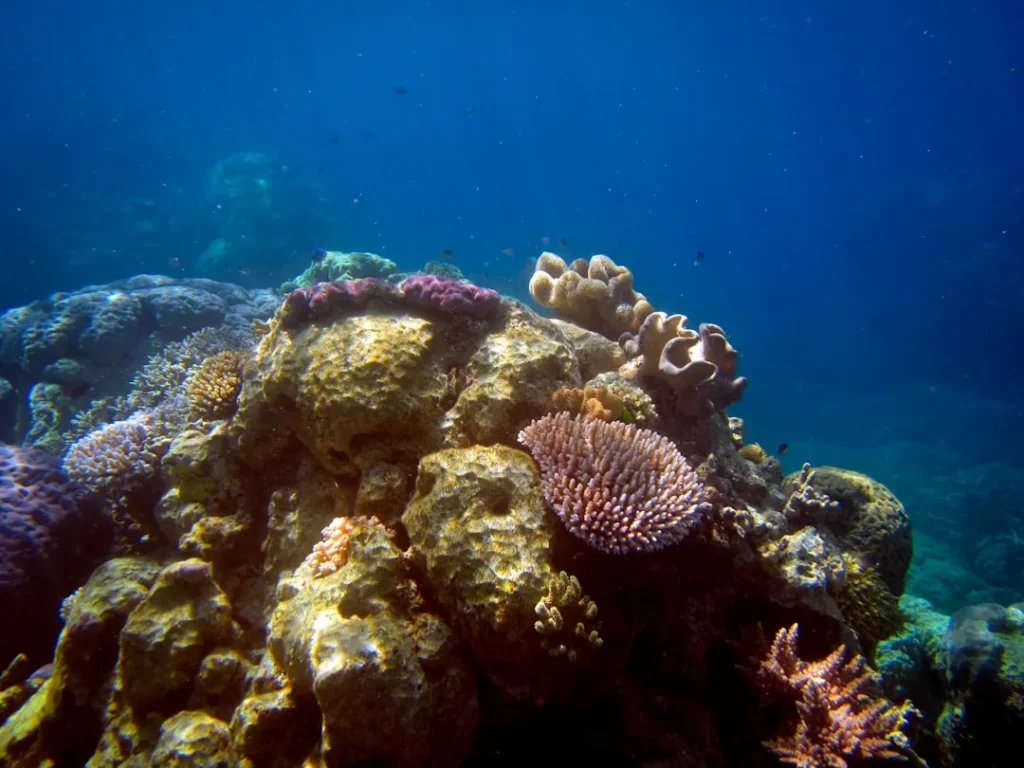
Gingoog City and neighboring Medina represent the newest additions to Mindanao’s diving map, with sites that went viral among Filipino dive professionals after initial explorations. These scuba diving locations on Mindanao Island feature gently sloping reefs with excellent macro life, including nudibranchs, mantis shrimp, and occasional frogfish sightings. I’ve spoken with divers who describe the experience as discovering a secret garden.
The underwater terrain here consists primarily of sandy slopes transitioning into coral-covered areas, making these sites suitable for divers of all experience levels. Local barangays have begun implementing informal protection measures, recognizing that healthy reefs attract tourism revenue.
- Depth range: 5-25 meters, ideal for recreational divers
- Marine highlights: Nudibranchs, anemonefish, scorpionfish, occasional sea turtles
- Best conditions: Morning dives when visibility peaks
- Access: Boat trips from local harbors, typically 15-30 minutes
For photographers exploring these Mindanao diving spots, bring macro lenses—the small stuff here is exceptional.
Balingoan and Balingasag: Scenic Dive Spots
Balingoan and Balingasag sit along the northern coast where ferries depart for Camiguin, making them convenient stops for divers planning multi-destination trips. These scuba diving locations on Mindanao Island feature dramatic underwater topography, with walls and slopes covered in hard and soft corals. The proximity to deeper channels brings occasional pelagic visitors.
Balingoan’s dive sites benefit from nutrient-rich waters flowing between the mainland and Camiguin, supporting healthy fish populations including schools of fusiliers, snappers, and the occasional barracuda patrol. Balingasag offers more sheltered conditions, perfect for newer divers building confidence.
| Site | Depth | Difficulty | Highlights |
|---|---|---|---|
| Balingoan Wall | 8-30m | Intermediate | Gorgonians, reef sharks |
| Balingasag Reef | 5-18m | Beginner | Coral gardens, turtles |
These Mindanao dive sites work well as warm-up dives before tackling Camiguin’s more challenging spots.
Jasaan and Talisayan: Marine Biodiversity Hotspots
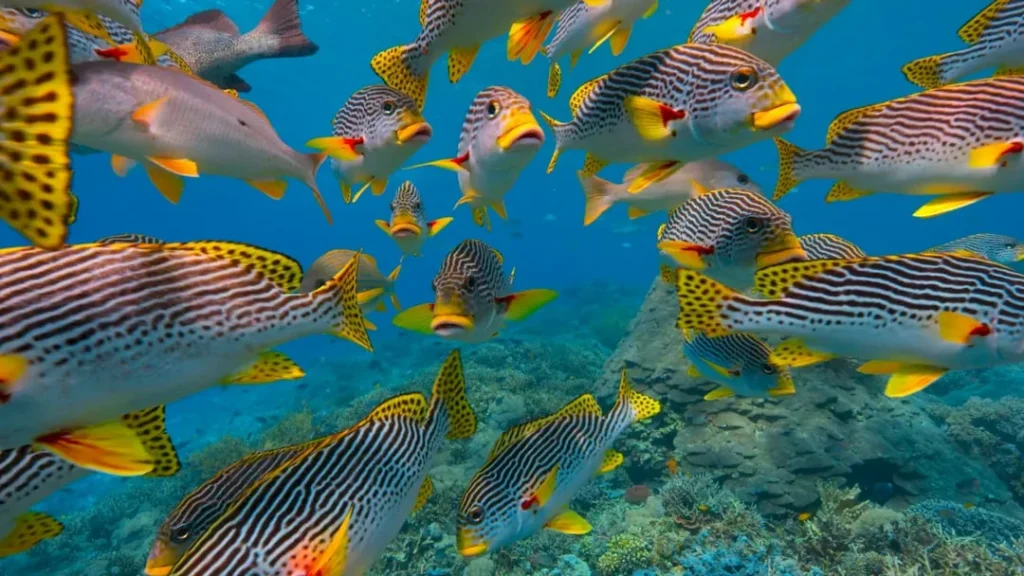
Jasaan and Talisayan round out Northern Mindanao’s diving corridor, offering some of the region’s healthiest reef systems. These scuba diving locations on Mindanao Island showcase the biodiversity that earned the region DOT recognition, with coral coverage approaching levels seen in protected marine parks. Experienced divers often cite these sites as their favorites.
The marine life density here is remarkable. Schools of anthias cloud the reef edges, while moray eels peek from crevices and octopuses hunt across the substrate. Talisayan’s sites occasionally produce sightings of eagle rays cruising the deeper sections.
- Coral diversity: Hard corals, table corals, soft corals, and sea fans
- Fish life: Butterflyfish, angelfish, parrotfish, groupers, and schooling species
- Macro finds: Pygmy seahorses, ghost pipefish, ornate pipefish
- Current conditions: Mild to moderate, occasionally stronger at depth
These biodiversity hotspots represent what sustainable dive tourism can protect across Mindanao’s coastline.
Exploring Camiguin Island’s Underwater Wonders
While Northern Mindanao’s mainland sites are gaining recognition, Camiguin Island has long been the region’s flagship diving destination. This volcanic island—known as the “Island Born of Fire”—offers some of the most unique scuba diving locations on Mindanao Island, including sunken cemeteries and purpose-built wrecks. The island’s seven volcanoes have created underwater landscapes found nowhere else.
Camiguin’s dive sites number over 21, ranging from gentle coral gardens to challenging drift dives. According to local dive operators, the island sees far fewer divers than comparable destinations like Bohol or Cebu, meaning you’ll often have sites to yourself. That solitude, combined with exceptional marine life, creates memorable experiences.
Water temperatures around Camiguin remain between 26-29°C year-round, with visibility best from March through June when conditions can exceed 30 meters.
The island’s compact size means all major dive sites are reachable within 20 minutes by boat, making it easy to log multiple dives daily while exploring different underwater environments.
Mantigue Island: Pristine Coral Reefs
Mantigue Island Nature Park stands as one of the most pristine scuba diving locations on Mindanao Island, with protected status that has allowed its reefs to flourish. The sanctuary features crystal-clear waters, vibrant coral formations, and marine life density that rivals Maldivian sites. Many divers describe it as the highlight of their Camiguin trip.
The dive sites around Mantigue feature sandy corridors studded with large boulders that transition into steep slopes covered with hard and soft corals. A resident school of barracuda patrols the deeper sections, while sea turtles are constant companions throughout most dives.
- Sanctuary rating: 4.6 stars among dive review platforms
- Depth range: 5-25 meters across multiple sites
- Marine highlights: Barracuda schools, sea turtles, diverse reef fish
- Nearby site: Burias Shoal (4.7 stars), suitable for experienced divers only due to strong currents
Mantigue works beautifully for both divers and snorkelers, making it ideal for mixed groups exploring Mindanao diving destinations.
White Island and Sunken Ship Wrecks
White Island’s sandbank creates a stunning surface backdrop, but the real magic lies beneath. The surrounding reef system includes four distinct dive sites—Kilambing, Kilambing South, Black Forest, and Old Sanctuary—each offering different experiences among these scuba diving locations on Mindanao Island. Black Forest, named for its black coral gardens, attracts larger schools of fish due to stronger currents.
Camiguin’s wreck diving centers on the Gypsy Rover, a vessel purposely sunk over two decades ago at 15 meters depth. This site has become a macro photographer’s paradise, particularly from March through June when seahorses, blue-ringed octopuses, ghost pipefish, and frogfish congregate around the structure.
| Site | Type | Depth | Best For |
|---|---|---|---|
| Gypsy Rover | Wreck | 15m | Macro photography, night dives |
| Sunken Cemetery | Sanctuary | 4-25m | Drift diving, fish schools |
| Black Forest | Reef | 6-25m | Pelagics, coral gardens |
The Sunken Cemetery—where Camiguin’s original burial ground sank during the 1871 volcanic eruption—now hosts massive schools of snappers and fusiliers in a hard coral garden sanctuary.
Diving in the Davao Gulf: A Pelagic Paradise
Moving south from Camiguin’s volcanic waters, the Davao Gulf presents a completely different diving character. These scuba diving locations on Mindanao Island benefit from the gulf’s sheltered position behind surrounding mountain ranges, including Mount Apo—the Philippines’ highest peak. This natural protection means year-round diving is possible, though March through June delivers optimal visibility.
The Davao Gulf’s 20-plus dive sites cluster around Samal Island and its smaller sister islands: Ligid, Malipano, and Talicud. While the water can be more turbid than northern sites—averaging around 10 meters visibility—the trade-off comes in unique muck diving opportunities and occasional big animal encounters.
- Sailfish, dolphins, and dugongs occasionally spotted by local fishermen
- Whale sharks have been reported along the gulf’s outer edges
- Muck diving conditions rival Dauin for critter diversity
- Strong currents can create exciting drift dive opportunities
For adventurous divers who prioritize discovery over postcard-perfect conditions, Davao Gulf’s Mindanao diving spots deliver genuine exploration experiences.
Samal Island: Vibrant Reefs and Marine Life
Samal Island dominates Davao Gulf diving, sitting just minutes by boat from Davao City yet remaining largely undeveloped beyond the Pearl Farm luxury resort. These scuba diving locations on Mindanao Island offer easy access combined with surprising biodiversity, making Samal an excellent base for extended dive trips.
The island’s fringing reefs support healthy populations of reef fish, while the sandy channels between sites harbor the macro life that has earned Davao comparisons to Anilao. Frogfish, seahorses, and nudibranchs reward patient photographers willing to look closely.
- Access: 15-minute boat ride from Davao City
- Dive sites: Scattered along Samal’s coast and surrounding smaller islands
- Conditions: Generally calm, occasional currents near channels
- Facilities: Mix of resort-based and independent dive operators
Most Davao dive centers schedule trips on weekends, though private charters are available any day for those exploring Mindanao’s diving destinations on flexible schedules.
Saud Beach: Pelagic Encounters
Saud Beach represents the Davao Gulf’s wilder side, where deeper waters and stronger currents create conditions favoring pelagic encounters. These scuba diving locations on Mindanao Island attract divers hoping for bigger marine life—eagle rays, reef sharks, and large schools of trevally patrol these waters.
The diving here requires intermediate to advanced skills due to current conditions and depths that can exceed 30 meters. But for experienced divers, the rewards justify the challenge. The nutrient-rich waters support impressive fish aggregations rarely seen at shallower, calmer sites.
Pelagic lovers will enjoy manta rays, eagle rays, devil rays, and sharks including hammerheads and reef sharks, especially in the southwest. — PADI Mindanao Guide
Plan Saud Beach dives for optimal conditions during the March-June window when visibility improves and currents become more predictable across Mindanao’s dive sites.
Zamboanga del Sur: Off-the-Beaten-Path Diving
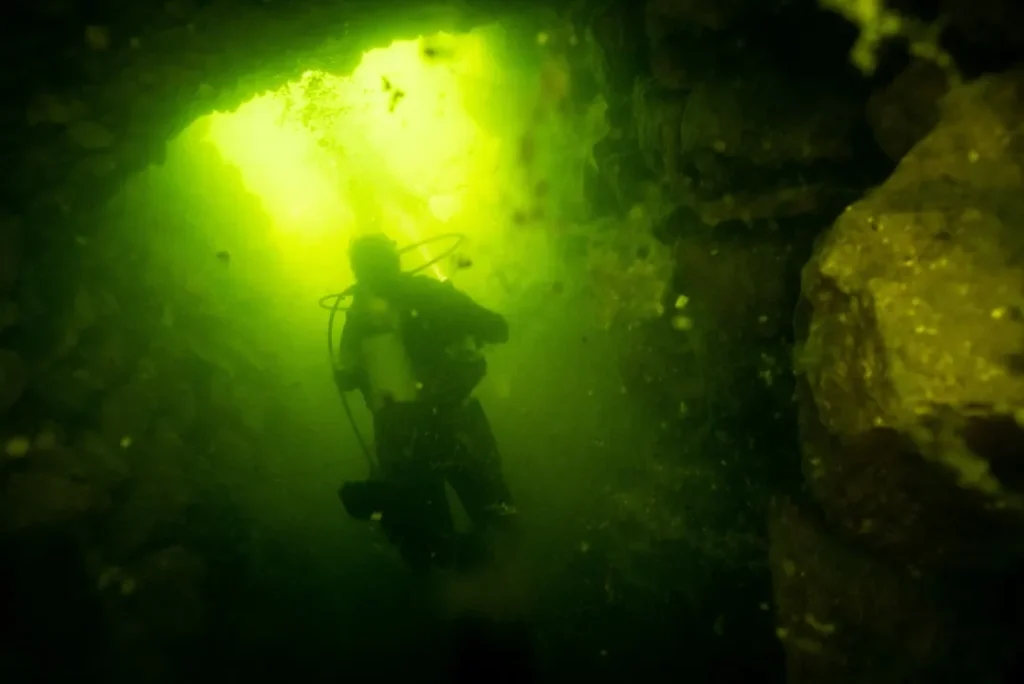
For divers seeking true frontier exploration, Zamboanga del Sur offers scuba diving locations on Mindanao Island that few outsiders have experienced. This southwestern region remains genuinely off the beaten path, with dive sites that see perhaps a handful of visitors annually. The trade-off is limited infrastructure—but the reefs remain pristine.
The underwater terrain here features walls comparable to Indonesia’s famous Bunaken, according to experienced Mindanao divers. Napoleon wrasse, eagle rays, large schools of butterflyfish, and healthy populations of sweetlips and snapper inhabit these waters.
- Wall dives with pristine fans and corals
- Visibility can reach 30+ meters in morning conditions
- Strong currents that can switch direction quickly
- Limited dive operator infrastructure—advance planning essential
Zamboanga del Sur diving requires self-sufficiency and careful planning, but rewards adventurous divers with Mindanao dive sites that feel genuinely undiscovered. Check current travel advisories before planning trips to this region.
Best Practices for Scuba Diving in Mindanao
Understanding local conditions transforms good dives into great ones across all scuba diving locations on Mindanao Island. The region’s diversity—from sheltered bays to current-swept channels—demands adaptable skills and proper preparation. These best practices come from experienced Mindanao divers and local operators who know these waters intimately.
Unlike more developed Philippine destinations, Mindanao’s diving infrastructure varies significantly between regions. Some areas offer full-service dive resorts while others require bringing your own equipment and arranging independent boat charters. Knowing what to expect prevents frustration and ensures safe, enjoyable experiences.
Optimal Diving Seasons and Conditions
Timing your visit correctly maximizes what you’ll experience at scuba diving locations on Mindanao Island. According to PADI, the ideal diving season runs from March to September when seas are calm and weather remains dry. Water temperatures stay comfortable at 26-30°C (80-86°F) year-round.
Regional variations matter. Camiguin diving peaks March through September, while Davao Gulf offers year-round possibilities due to its sheltered position. December through February brings cooler, less predictable weather—diving remains feasible but conditions are more variable.
| Region | Best Months | Visibility | Notes |
|---|---|---|---|
| Northern Mindanao | March-September | 15-25m | Calm seas, dry weather |
| Camiguin | March-June | 20-30m+ | Peak macro season |
| Davao Gulf | March-June | 10-20m | Year-round possible |
Morning dives typically offer the best visibility across all Mindanao diving spots, with conditions often deteriorating by afternoon.
Safety Tips and Local Regulations
Safety at scuba diving locations on Mindanao Island requires awareness of both underwater hazards and regional considerations. Strong currents exist at many sites—particularly around Burias Shoal and Zamboanga del Sur—making drift dive skills essential for intermediate and advanced sites.
Local regulations vary by municipality, with some areas requiring sanctuary fees or guided dives. Marine Protected Areas like Mantigue Island enforce strict no-touch policies. Respect these rules—they’re why the reefs remain healthy.
- Always dive with local operators who know current patterns and site-specific hazards
- Carry a surface marker buoy (SMB) for drift dives and emergency signaling
- Check travel advisories for specific regions before planning trips
- Confirm equipment rental availability in advance—not all areas have full gear inventories
- Bring reef-safe sunscreen and follow environmental protocols
The Department of Tourism emphasizes community involvement in dive site development—supporting local operators contributes to sustainable tourism across Mindanao’s diving destinations.
Common Mistakes to Avoid When Diving in Mindanao
Even experienced divers make avoidable errors when exploring unfamiliar scuba diving locations on Mindanao Island. The region’s unique conditions—from volcanic substrates to variable currents—create situations that catch visitors off guard. Learning from others’ mistakes saves time, money, and potentially dangerous situations.
I’ve compiled the most common issues reported by dive operators and visiting divers across Mindanao’s various regions. Avoiding these pitfalls ensures your dive trip delivers the exceptional experiences the region offers.
Ignoring Weather Patterns
Mindanao’s weather patterns differ from the northern Philippines, and assuming conditions based on Manila forecasts leads to disappointment. Scuba diving locations on Mindanao Island experience their own microclimate variations—Camiguin can be calm while Davao Gulf faces afternoon squalls, or vice versa.
The December-February period brings cooler temperatures and unpredictable conditions that catch unprepared divers off guard. Seas can shift from flat calm to choppy within hours during transitional seasons.
- Check local weather forecasts, not just national predictions
- Build flexibility into your itinerary for weather delays
- Morning dives typically offer better conditions than afternoon sessions
- Listen to local boat captains—they know their waters
Experienced Mindanao divers plan backup sites and activities, recognizing that weather flexibility often leads to discovering unexpected gems among the region’s dive sites.
Underestimating Local Marine Life
Many divers arrive at scuba diving locations on Mindanao Island expecting limited marine life compared to famous destinations—then discover they’ve underestimated what awaits. This misconception leads to bringing wrong equipment (wide-angle lenses when macro dominates) or rushing through sites that reward slow, careful observation.
Mindanao’s 1,000+ marine species and 300 coral species demand respect and attention. Blue-ringed octopuses appear at Camiguin’s Gypsy Rover wreck. Hammerhead sharks patrol southwestern waters. Pygmy seahorses hide in gorgonians across multiple regions.
Whether exploring reefs or pelagic hotspots, Mindanao’s rich biodiversity guarantees your dive log will fill fast. — PADI
Bring versatile camera setups, dive slowly, and trust local guides who know where the special creatures hide across Mindanao’s diving spots.
Frequently Asked Questions About Diving in Mindanao
Planning dive trips to less-traveled destinations raises practical questions that standard guides often overlook. These frequently asked questions address the real concerns divers have about exploring scuba diving locations on Mindanao Island, based on common inquiries to local operators and travel forums.
What is the Best Time to Dive in Mindanao?
March through September offers the best overall conditions for scuba diving locations on Mindanao Island, with calm seas, dry weather, and optimal visibility. Within this window, March through June delivers peak conditions—particularly for Camiguin’s macro life and Davao Gulf’s clearer waters.
Year-round diving is technically possible thanks to Mindanao’s tropical climate and sheltered regions like Davao Gulf. However, December through February brings cooler temperatures (still comfortable at 26-27°C) and more unpredictable weather patterns that may affect boat schedules and visibility at Mindanao diving spots.
Are There Any Safety Concerns?
Underwater safety at scuba diving locations on Mindanao Island mirrors other Philippine destinations—respect currents, dive within your certification limits, and follow local guide instructions. Strong currents at sites like Burias Shoal require intermediate skills minimum.
Regional travel advisories exist for some areas of Mindanao. Check current guidance from your government’s travel advisory service before planning trips, particularly to Zamboanga del Sur and other southwestern regions. The majority of dive destinations in Northern Mindanao, Camiguin, and Davao Gulf see trouble-free tourism.
How Can I Get to the Dive Sites?
Francisco Bangoy International Airport (DVO) in Davao City serves as Mindanao’s primary gateway, with domestic flights from Manila and Cebu plus occasional international connections from Singapore. Laguindingan Airport near Cagayan de Oro provides access to Northern Mindanao and Camiguin.
Once in Mindanao, ground transport to scuba diving locations on Mindanao Island is straightforward if basic. Taxis, jeepneys, minibuses, and tricycles connect towns and dive sites affordably. Ferries from Balingoan reach Camiguin in about an hour. Most dive operators can arrange transfers from airports or hotels to simplify logistics for visiting divers.
Conclusion: Key Takeaways and Next Steps for Diving Adventures
Scuba diving locations on Mindanao Island offer what increasingly rare in modern dive travel: genuine discovery, uncrowded sites, and marine biodiversity that rivals anywhere in the Coral Triangle. From Northern Mindanao’s newly recognized sites to Camiguin’s volcanic wonders and Davao Gulf’s muck diving treasures, this region rewards divers willing to venture beyond the obvious destinations.
The patterns across Mindanao’s diving regions share common threads—healthy reefs protected by engaged local communities, optimal conditions during the March-September dry season, and infrastructure that’s developing but still requires some self-sufficiency. Whether you choose Mantigue Island’s pristine sanctuary or Zamboanga del Sur’s frontier walls, preparation and flexibility unlock the best experiences.
Your next step? Contact a Mindanao-based dive operator to discuss specific site conditions and logistics for your preferred dates. The region’s diving community welcomes visitors who respect local customs and environmental protocols—and they’ll share the secret spots that never make the guidebooks. Scuba diving locations on Mindanao Island await those ready to explore beyond the familiar.